EOFY Savings - Save $750 on Full Treatment! Claim offer


 Book your free consult
 Dentist Referral
Jan 26, 2026
When Should Kids Get Braces? A Guide for Sydney Families
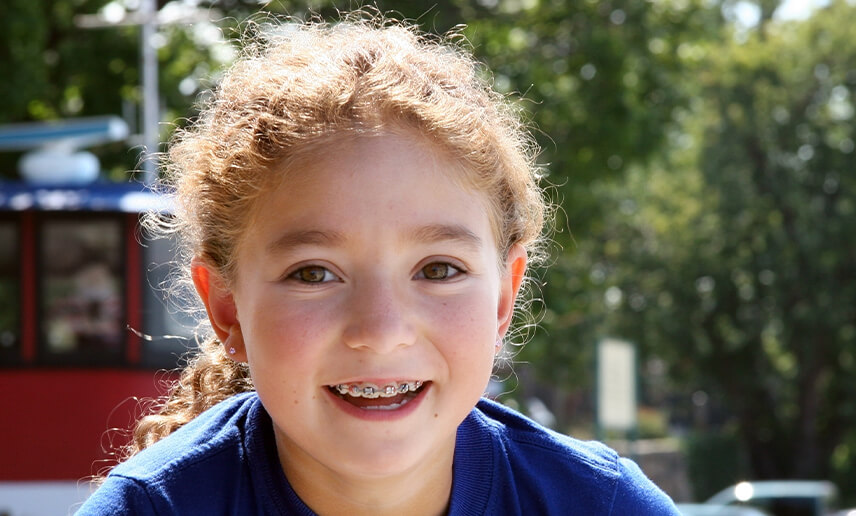
If you are wondering when to start your child’s orthodontic journey, you are not alone. The right timing can make treatment simpler, shorter, and more comfortable. In this guide, you will learn the best age to consider braces, why early assessments matter, how options like Invisalign® First can help, and what to expect around costs and Medicare in Australia. You will also find an easy next-steps checklist for Sydney families.
The Best Age To Get Braces For A Child
Most children start comprehensive orthodontic treatment between 11 and 14, once most adult teeth have come through. That is the most common age for braces, clear aligners, or other full treatments.
The first assessment should happen earlier. The Australian Society of Orthodontists recommends an initial check around age 7. At this age, your child has a mix of baby and adult teeth, which helps a Specialist Orthodontist spot crowding, jaw growth issues, or bite problems. Early checks rarely mean early braces. Many children are simply monitored until the ideal time to start.
Why Early Orthodontic Assessments Matter
An early assessment gives you clarity and time to plan. When concerns are found early, your Specialist Orthodontist can:
- Guide jaw growth and improve bite relationships
- Create space for adult teeth to erupt in a healthier position
- Reduce the need for extractions in some cases
- Shorten future treatment time and complexity
- Protect long-term dental health and confidence
If no treatment is needed, you will leave with peace of mind and a plan to review growth at the right intervals.
Modern Options For Kids, Including Invisalign® First
Today’s orthodontics is more personalised and discreet than ever. Depending on your child’s needs, your Specialist Orthodontist may discuss:
- Metal braces, reliable and effective for a wide range of smiles
- Ceramic braces, with tooth-coloured brackets for a subtler look
- LightForce™ braces, custom 3D-printed for a tailored fit and precise control
- Clear aligners, including Invisalign® for teens and Invisalign® First for younger children where suitable
Invisalign® First is designed for growing patients and can help with arch development, spacing, and tooth alignment while baby teeth are still present. It is not suitable for every case, so your specialist will advise if your child is a good candidate.
Are Braces Covered By Medicare In Australia?
In most cases, Medicare does not cover orthodontic treatment such as braces or clear aligners. Medicare may assist with some dental care in specific medical or hospital-based situations, but routine orthodontics is generally excluded.
Most families use private health insurance with orthodontic Extras, personal savings, or flexible payment plans offered by their orthodontic practice.
Can Kids Get Braces For Free In Australia?
Fully free braces are uncommon. Some public dental services support eligible children with urgent or specific dental needs. Waiting lists can be long, and eligibility rules vary by state and program.
If you think your child may qualify, speak with your GP, school dental service, or local health service. For private care, many families look for clinics offering complimentary consultations, flexible payment plans, and help maximising health fund benefits.
How Much Do Braces Cost In Australia?
Costs vary depending on case complexity, treatment length, and appliance choice. After an in-person assessment, you should receive a personalised, all-inclusive quote. Many Sydney families choose monthly payment plans to spread the cost over treatment.
Tip for health funds: orthodontic cover often has waiting periods and annual or lifetime limits. Ask your fund to confirm benefit amounts, reset dates, and whether starting treatment near the end of a calendar or financial year may help maximise rebates.
How Often Should Children Have Dental Checkups?
Most children should see their general dentist every six months. Regular checkups support healthy gums and teeth, reinforce good brushing habits, and reduce the risk of decay during orthodontic treatment.
If your child is in braces or aligners, your Specialist Orthodontist may coordinate with your dentist to provide extra hygiene support when needed.
Signs Your Child Might Benefit From An Early Check
Consider booking an orthodontic review sooner if you notice:
- Crowded or overlapping teeth
- Crossbite, underbite, or an unbalanced bite
- Early or late loss of baby teeth
- Thumb or finger sucking beyond age five
- Mouth breathing or speech concerns
- Teeth that meet in a way that causes wear or discomfort
A quick assessment can save time later and may reduce the need for more complex treatment during the teenage years.
A Simple Next-Steps Checklist For Sydney Families
- Book an early assessment around age 7 if you have not already
- Bring your questions about braces, Invisalign® First, or other options
- Ask for a clear, written treatment plan and all-inclusive quote
- Check health fund waiting periods and benefit limits
- Discuss payment plans if helpful for your budget
- Maintain six-monthly dental checkups during and after treatment
Why Choose Specialist-Led Care
A Specialist Orthodontist plans tooth movement with the end result in mind, balancing function, long-term stability, and aesthetics. Digital tools such as 3D scans and custom appliances help tailor treatment to your child’s needs and lifestyle. Many practices also offer remote check-ins and flexible appointment times to fit school and extracurricular commitments.
If lower visibility is important, ask about clear braces. Ceramic brackets blend with natural tooth colour and can be a great option for image-conscious kids and teens when clinically appropriate.
Ready To Get Started?
If you live in the Sutherland Shire or Southern Sydney, the team at MySmile Orthodontics welcomes families for a complimentary specialist consultation. You will receive honest advice, a personalised treatment plan, and a clear quote.
You can also discuss alternative aligner options such as Angel Aligners during your visit and learn whether your child is a suitable candidate.