

 Book your free consult
 Dentist Referral
Feb 25, 2026
Can Braces Fix an Overbite? Your Guide to Treatment and Results
If your top teeth sit noticeably ahead of your bottom teeth, you are not alone. Overbites are common and, in most cases, very treatable. The right plan depends on whether the issue is dental, skeletal or a mix of both.
This guide explains how braces help different overbite types, what extras your orthodontist may use and when jaw surgery is recommended. You will also learn how long treatment typically takes, how comfortable modern options can be with specialist-led digital planning and how DentalMonitoring keeps you on track between visits.
As always, the best option for you depends on a specialist assessment. At Mysmile Orthodontics in Miranda and Engadine, that first consultation is complimentary.
What exactly is an overbite?
Overbite describes how much your upper front teeth overlap your lower front teeth. There are two broad patterns:
Dental overbite
Tooth position is the main cause. The jaws themselves line up reasonably well, but the teeth have tipped or over-erupted.
Skeletal overbite
The jaw relationship is the primary factor. The upper jaw may sit forward, the lower jaw may sit back or both.
Many people have a combination. A careful diagnosis guides whether braces alone will fix the bite or whether growth guidance or jaw surgery is needed.
Can braces fix an overbite?
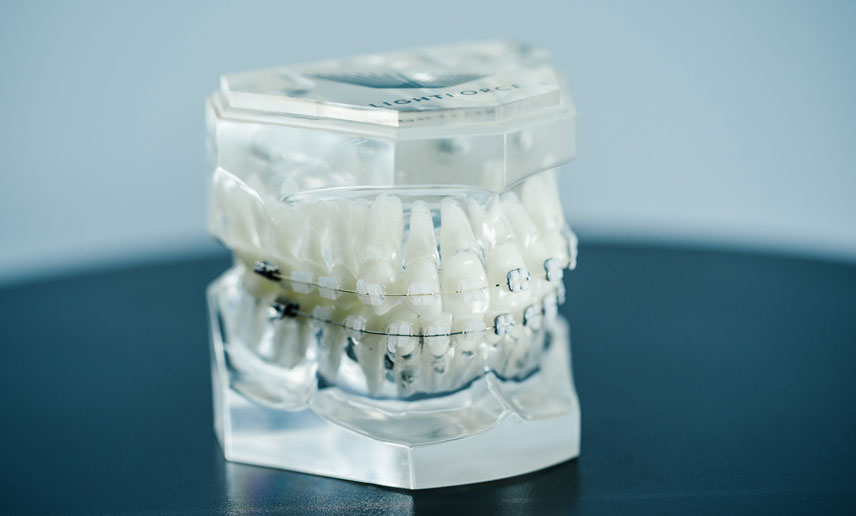
Yes, braces can correct many overbites by moving teeth into a healthier bite and smile arc. For dental overbites, fixed braces are highly effective. For mixed or skeletal patterns, braces often form part of a combined plan.
Your Specialist Orthodontist may recommend:
Elastics
Tiny rubber bands that guide how the top and bottom teeth meet.
Bite turbos or bite stops
Small additions to help open the bite temporarily so teeth can move without colliding.
Palatal expanders
Used in selected younger patients to widen a narrow upper jaw and create space that supports bite correction.
Growth guidance
Early, age-appropriate interventions to encourage more favourable jaw development, often reducing complexity later.
Adults with a severe skeletal overbite might need combined orthodontics and jaw surgery to reposition the jaws. Braces are used before and after surgery to align the teeth precisely.
When is jaw surgery recommended?
Jaw surgery, also known as orthognathic surgery, is considered for adults when the overbite is largely skeletal and beyond what braces and elastics can correct predictably. Surgery repositions the jaws for both function and facial balance. Braces then fine-tune the bite.
If your overbite is moderate and mainly dental, surgery is usually not required. Your Specialist Orthodontist collaborates closely with an oral and maxillofacial surgeon to plan each step when surgery is indicated.
Braces, clear aligners and speed: which is faster?
How long do braces last?
Most comprehensive treatments run 12 to 24 months. Simpler cases can be shorter; complex or surgical plans take longer. Timelines vary with biology, case complexity, appliance type and how consistently you follow elastic or aligner wear instructions.
Is Invisalign® faster than braces?
Not by default. Invisalign® clear aligners, Spark aligners and Angel Aligners can be similar in speed to braces when case selection and patient compliance are strong. Some movements are more efficient with braces; others suit aligners.
Your Specialist Orthodontist will guide you on the approach that balances predictability, comfort and aesthetics for your specific bite.
If you prefer a discreet fixed option, ceramic clear braces can be a great choice. You can learn more about clear braces on our site.
Comfort, precision and modern planning
Orthodontics today is both digital and detail-focused. At Mysmile Orthodontics, we use iTero digital scans and specialist-led planning to map tooth movement in three dimensions.
For patients who choose braces, LightForce™ 3D-printed custom braces are available and designed for your unique tooth shapes and goals. This level of customisation supports comfort, control and efficiency.
For those who prefer removable options, we offer Invisalign®, Spark aligners and Angel Aligners. Each system is planned by our Specialist Orthodontists, with clear instructions for wear and care.
How DentalMonitoring supports progress between visits
How does DentalMonitoring work, and is it worth it?
Dental Monitoring is a smartphone-based app. You take quick scans at home using the guidance provided. Our team reviews your scans and messages you with tailored feedback. It helps us spot issues early, fine-tune elastics or aligner wear and decide whether you can safely extend time between in-person visits.
Most patients find it worthwhile because it keeps treatment moving, reduces unnecessary trips and gives reassurance that a Specialist Orthodontist is supervising in the background. It complements, not replaces, in-clinic reviews.
You can read more about how we use DentalMonitoring to support care between appointments on our site.
Likely timeline and what to expect day to day
Early weeks
Getting used to your braces or aligners and, where needed, elastics or bite turbos. Some tenderness is normal and settles quickly.
Active phase
Teeth and bite are adjusted to the planned positions. Appointments or remote check-ins ensure steady progress. Good hygiene, elastic wear and aligner compliance keep things on track.
Finishing and detailing
Small, precise adjustments close spaces, refine the bite and polish the smile arc.
Retention
Fixed and or removable retainers hold your result. Wearing retainers as advised is essential to prevent relapse.
Pricing guidance and payment options
Fees vary with complexity, appliance choice and expected duration. As a guide, communications from our clinic reference metal braces from around $6,000 to $9,000, ceramic from $6,500 to $9,500 and Invisalign® starting from around $3,500.
Your exact quote is confirmed after a specialist assessment and includes all planned visits, appliances and retainers.
We offer flexible, interest-free payment plans and support with private health fund claims. For an overview of typical ranges in Sydney, see our braces pricing information.
FAQ: your top questions answered
Can braces fix an overbite?
Often, yes. Braces correct dental overbites reliably and can assist with mixed cases. Severe skeletal overbites in adults may require combined orthodontics and jaw surgery.
How long do braces last?
Typical comprehensive treatment runs 12 to 24 months. Your timeframe depends on complexity, appliance choice and compliance.
Is Invisalign® faster than braces?
Not necessarily. Speed is case dependent. With good planning and wear, Invisalign®, Spark aligners and Angel Aligners can be comparable to braces for many cases.
How does Dental Monitoring work?
You send smartphone scans through the app. Your Specialist Orthodontist reviews progress and messages you with guidance, helping reduce unnecessary visits while keeping treatment closely supervised.
Is Dental Monitoring worth it?
Most patients value fewer trips, faster feedback and reassurance. It supports steady progress between appointments.
Choosing the right option for you
The best plan starts with the right diagnosis. A Specialist Orthodontist will confirm whether your overbite is dental, skeletal or mixed, and whether braces, clear aligners, elastics, expanders, growth guidance or surgery will deliver the most predictable result.
Book a consultation with our Specialist Orthodontists in Miranda or Engadine. We will review your goals, complete a digital scan where appropriate, outline your options and provide a tailored quote with payment plan choices.
Book your free consultation now at Mysmile Orthodontics.
Prefer a discreet fixed option? Explore our clear braces.
Want to understand remote care? Learn about DentalMonitoring.
Curious about costs and payment plans? See typical Sydney pricing.
Important: Information in this article is general. Your ideal treatment depends on a specialist clinical evaluation. To discuss your situation, contact our Miranda clinic or Engadine clinic, or call (02) 9540 5888.